How Egyptians Celebrate Eid Al-Fitr?

Eid al-Fitr, or the Little Eid, is one of the most joyous Islamic holidays across the country. Celebrations mark the end of the holy month of Ramadan, the holy month of fasting, and are filled with religious rituals, family gatherings, delicious food, and vibrant traditions. It is one of the two major holidays celebrated by Muslims in Egypt and around the world. In this article, we outline some of the Eid al-Fitr traditions in Egypt. It should be emphasized that many of these customs and traditions are shared with other Islamic countries.
1. Pre-Eid Preparations - Preparations before the celebration:
a) Shopping and New Clothes (Galabeya and Eidiya):
- Eid Clothes (Eid Attire): Egyptians, especially children, wear entirely new clothes. Traditional clothing includes:
Recommend
Galabeyas (for men and boys, often embroidered).
Colorful dresses (for women and girls, sometimes sequined).
Many buy matching family outfits.
- Markets and Crowds: Areas like Wekalet el-Balah (Cairo's textile market) and Attaba teem with shoppers weeks before Eid.
b) Sweets and Baked Goods (Kahk and Cookies):
- Kahk (Eid Kahk): One of the Eid traditions in Egypt is family gatherings and eating delicious kahk made from ghee and flour. Kahk can be filled with walnuts and covered with powdered sugar or made without nuts. It is often filled with ajamiya, a mixture of honey and nuts, or with dates or malban (Turkish delight).
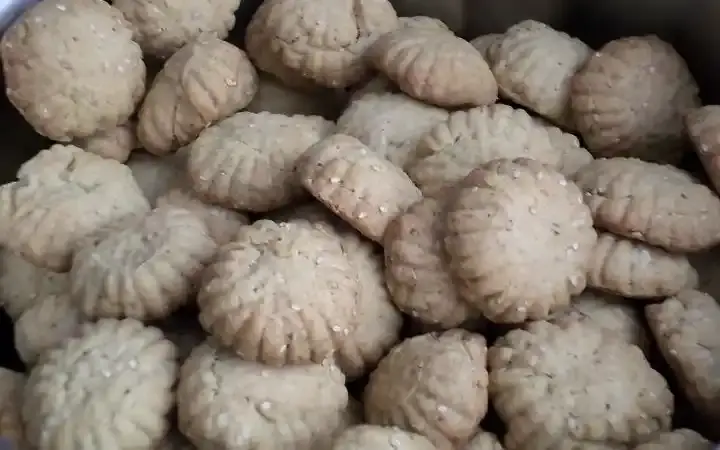
- Family Baking Sessions: Women gather a few days before Eid to bake kahk together, a social event filled with storytelling.
- Commercial Kahk: Famous bakeries sell luxurious versions in ornate boxes.
c) Zakat al-Fitr (Eid Fitr)
- Given before the Eid prayer, it ensures that the poor can celebrate Eid. It typically amounts to 5 to 10 Egyptian pounds per family member (or the equivalent in rice/flour). It is usually given a day or two before Eid; if given after Eid, it is considered charity.
- Mosque and NGO Campaigns: Organizations distribute food boxes (containing rice, oil, and sugar) to needy families.
2. Eid Day - Rituals and Traditions:
a) Eid Prayer
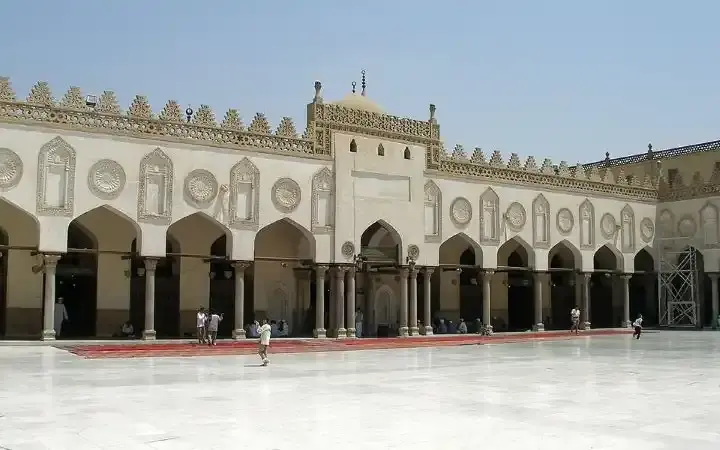
- Held in: large mosques (such as Al-Azhar, Al-Hussein, or Rabaa Al-Adawiya) or open squares.
- Takbirat al-Eid: The chant of "Allahu Akbar" (God is Great) resonates loudly through the streets before sunrise. Eid sermon: A short speech that emphasizes gratitude, benevolence, and unity.
b) Eid Breakfast
- Essential Dishes
o Fatteh: Layers of rice, crispy bread, garlic vinegar, and lamb (a Luxor specialty).
o Feseekh: Salted fermented fish (controversial due to the risk of food poisoning, but popular with some).
o Eggplant: Eggplant dishes such as baba ghanoush.
o Desserts: Honey, jams, and apricot juice.
c) Family Visits
- Order of Visits:
1. Parents and Grandparents (morning).
2. Relatives and Neighbors (afternoon).
3. Friends and Colleagues (evening).
- Rules of Hospitality: Each home offers kahk, chocolates, and drinks (such as sobia or tamarind).
d) Exchanging Greetings
Among the ways of celebrating Eid al-Fitr throughout Egypt, people greet each other and wish each other a happy Eid by saying "Eid Mubarak!" or "Eid Sa'eed." Alternatively, they can say "Ta'abbal Allah minna wa minkum" or "Wa taqbal Allah minna wa minkum saheliyyah (may Allah accept our and your good deeds)."
e) Applying perfume and bathing:
These are part of the noble Prophetic Sunnah.
f) Going to the Eid prayer and returning by another route:
This is also part of the Sunnah.
3. Entertainment and Celebrations:
a) For Children
- Eidiya: Cash gifts given to children as a reward for fasting during Ramadan. They collect them in luxurious envelopes (often decorated with cartoon characters).
- Amusement Parks: A haven for children.
- Street Games: Traditional games such as sega (marbles) and tap (jump rope).
b) Public Celebrations
- Nile Cruises: Floating restaurants for families at night.
- Eid Parties: Stars present lavish performances.
- Cinema Releases: Big-budget Egyptian films are shown for the first time during Eid.
c) Rural versus urban celebrations (urban in cities, rural in Upper Egypt and villages)
Picnics in shopping malls, lavish dinner parties, group feasts in village squares
Western-style parties, folk dances such as tahtib (stick dancing)
Fireworks and neon lights, bonfires, and traditional music
4. Modern and Digital Eid:
- Electronic Eid cards: WhatsApp stickers and Facebook greetings are replacing paper cards.
- Electronic Eidiya: Digital wallets (such as Vodafone Cash) for transferring money to children.
- Eid sales: Most online stores offer huge discounts.
- Eid TV specials: Comedy programs dominate viewership.
5. Unique Egyptian Sayings on Eid:
- Eid al-Bara'a: Some believe that sins are forgiven on Eid.
- Avoiding Sadness: Crying or arguing on Eid is considered bad luck.
- New Year's: Some treat Eid as a "New Year's" and set resolutions.
6. Challenges and Changing Traditions:
- Economic Pressures: Rising prices make kahk and new clothes unaffordable for some.
- Lack of Community Spirit: In cities, fewer people gather in the streets than in previous decades.
- Controversies: Controversy over the safety of feseekh and excessive spending sparks annual debates.
Conclusion: Why the Egyptian Eid is Special:
Eid in Egypt blends deep religious roots, Pharaonic hospitality, and modern joy, with mosques, shopping malls, and mud-brick villages sharing the same joy. Whether it's the smell of kahk, the sound of takbirs, or the chaos of Cairo's streets, Eid in Egypt is an unforgettable experience.